Free shipping for all orders of $150


Essential Garden Tools for Every Gardener
Hello, novice and experienced gardeners alike. Purchasing and selecting gardening equipment can be difficult as sometimes you only know what you’ll need once it’s too late. This is a comprehensive list of garden tools you should keep on hand. We’ll go over the functions of each and why, when you start gardening, you’ll want them close at hand. Welcome to the lovely, enjoyable world of gardening. At MAF Pro India, our goal is to simplify things for you.
Types of Garden Tools and Their Uses
To keep things neat and plant new seeds and bulbs for the next growing season, every gardener needs a basic collection of gardening equipment, regardless of the size of their garden, allotment, or patio plot.
Every tool on our list of gardening supplies is designed for specific use in the garden and comes in a variety of sizes and forms. To make it easier for you to select the appropriate equipment for your task, we’ve divided the common garden tools and their functions into four simple categories.
Gardening Tools for Digging & Ground Preparation
Garden Spade:
Spades are indispensable gardening equipment that one cannot live without, whether they are used for clearing your plot or filling a wheelbarrow. For example, you need to think about the materials and fittings while selecting a spade. The connection that connects the hardwood handle to the metal end of spades is one of the most often broken parts.
Fork: Among the fundamental gardening equipment is a quality garden fork. Digging over a piece of soil is a delightful activity that almost definitely requires the participation of many individuals if you garden with others. To handle the stress and flex of hard terrain, forks must be robust. A long handle might lessen the pressure on the back.
Border Spade And Fork: An excellent illustration of how commonplace items may evolve into specialised gardening tools is the border spade. A border spade works well for general digging and planting in borders since it is lighter and smaller than a digging shovel. A border fork is also lighter and smaller than an original fork. Forks and border spades are good examples of basic gardening tools, particularly if you’re looking for something more portable for everyday usage.
Basic Planting & Hand Tools
Hand trowels: These compete for the top spot on the list of gardening supplies. They are necessary for tight groundwork, such as removing areas of dirt and planting little plants. A lot of gardeners have favourites when it comes to size and handle length. They’re not inclined to share, so you’d better get your own.
Compost Scoop: When it comes to quickly removing compost from sacks without spilling, nothing tops this equipment. And if you use anything other than the compost scoop, spills are certain. Perfectly sized for all but the tiniest pots, this dish has a deep dish. The Amateur Garden Weekly Magazine best buy is the William James version. It may not be at the top of your list of essential gardening equipment. However, if you find yourself moving a lot of compost in seedlings and dressing beds, the compost shovel ranks well among the gardening tools that are considered “handy.”
Claw cultivator: Likewise with the claw cultivator. Does it fall under the category of basic gardening tools? But as you learn to use it and see all the many tasks it can perform, you’ll wonder how you got by without it. They work well for pulling weeds from lawns and flowerbeds. Utilise them to break up compacted soil as well. Additionally, they are useful for turning compost piles since they dig in.
Trimming & Pruning Gardening Tools
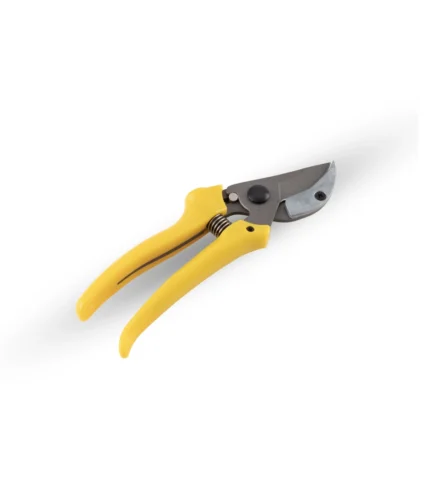
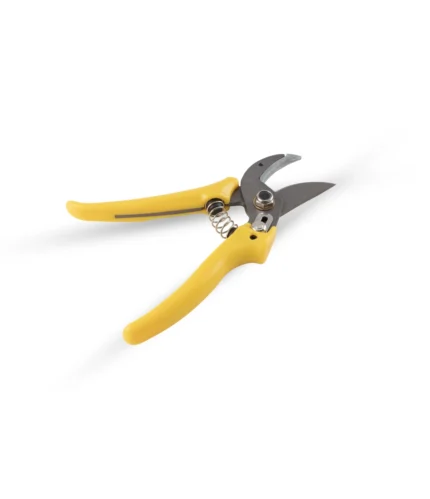
Secateur: One of the most important of the fundamental gardening equipment. When cutting stems that are no thicker than a finger, secateurs are a necessity. For anything chunkier, use lopping shears. For clean cuts, keep them sharp and well-oiled. You’re lost and better off staying inside if these aren’t on your list of necessary gardening supplies.
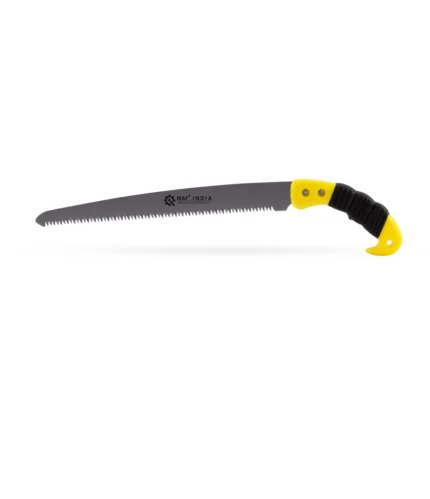
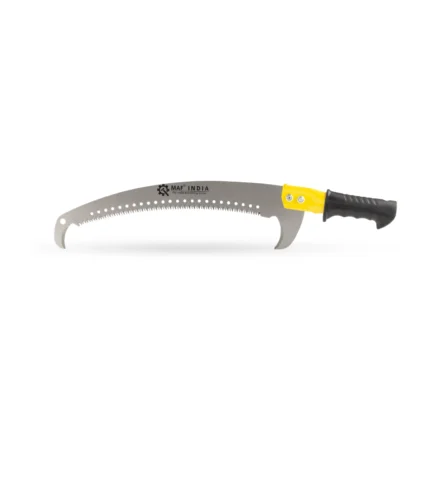
Lopper: Lopper With a lightweight telescopic compound lopper, you may increase your cutting reach. Ours have telescopic arms that range from 46 to 78 centimetres, and they are constructed of lightweight aluminium. Their high-carbon steel blade, which has been fully hardened and tempered, allows them to cut through branches up to 3.5 cm thick with ease.
Knife: One may ask how many different kinds of gardening tools are necessary for cutting while creating a list of gardening tools. However, a pocket knife is one of the most important gardening tools. It’s useful for taking plant cuttings when accuracy is crucial. Others involve slicing through rope or opening up a compost bag.
Gardening Equipment for Lawns & Grass
Aerator: A heavy-duty hollow tine aerator is great for boosting the beauty of your lawn and filling gaps in grass covering. This is best for majorly compacted lawns with several roots. We advise applying this aerator to a well-saturated lawn for optimal results. If used within the growth season, the grass will have lots of possibilities to recover and fill vacant places once dirt plugs are removed.
Grass Track: Though unusual, a plastic garden track quickly and easily creates a sturdy, weatherproof walkway. For instance, it makes it simple to go across grassy or muddy areas, and its “snaking action” adjusts to uneven terrain. Excellent for wheelbarrow access to the fruit cages of William James. The Garden Track also avoids lawn damage caused by regular and repetitive foot traffic near fruit cages.
Select the Ideal Garden Tools for Your Requirements
Understand Your Gardening Needs: It’s important to determine your unique gardening requirements before making any equipment purchases. Think about the dimensions and design of your garden, the kinds of plants you wish to cultivate, and the particular chores involved. This study will help you choose the sorts of tools and equipment that will be most useful for your garden.
Benefits of Investing in Quality Garden Tools:
Improve the layout of your garden: High-quality equipment may help you execute your beautiful garden design ideas correctly and with ease. Planning is much easier when you have the right tools, whether you’re pruning hedges, planting bulbs, or creating intricate flower gardens.
Accuracy and resilience: You’ll find that having better equipment gives you more control and allows you to make exact changes to your garden’s design. This level of control is necessary to get the desired practical and aesthetic results.
Ergonomically designed tools: Ergonomic tools reduce physical strain, which makes labour-intensive and disagreeable tasks like weeding, digging, and pruning simpler to do. The degree of comfort that a tool provides in the hand might be quite important. Long period spent in your garden won’t cause you to get weary or uneasy.
Life and longevity: Long-term performance and optimal plant care are guaranteed by high-quality instruments. They add to the general well-being and durability of your garden while assisting you in maintaining it more effectively.
Read More
Read Less
FAQ's
How Should My Gardening Tools Be Stored and Cleaned?
+Your gardening equipment will last longer if they are cleaned and stored properly. Clean off any dirt or debris after using. To stop rust, carefully clean and dry any metal parts with soapy water, then lightly oil them. Linseed oil may be used to cure and wipe off wooden handles. To prevent moisture damage, keep your tools in a dry, protected place like a garage or shed. It’s best to hang or place them on shelves. This is a fantastic video that shows you how to waterproof and restore wooden handle garden tools, as well as how to clean them.
What Are Some Gardening Tool Safety Advices?
+It is crucial to use gardening tools safely. Put on suitable attire, such as robust shoes and gloves. To prevent tension, be aware of how your body is positioned. Maintain clean, sharp instruments for effective usage. Wear safety goggles and earplugs while using power tools, and make sure they are maintained correctly.
What Should I Do Since My Tool Is Broken?
+When a tool breaks, determine whether it can be fixed first. Many times, simple problems like a bent blade or a loose handle may be remedied at home. Use a mallet to straighten any bent metal components and tighten any loose screws or nuts. Consider getting it repaired by a professional or, if it’s still under warranty, getting in touch with the manufacturer if the damage is beyond your ability to fix.
I need to sharpen my dull tools. How can I do that?
+In addition to making your work harder, dull equipment can harm your plants. Use a metal file or sharpening stone for the majority of instruments, such as hoes, pruners, and spades. Keeping the tool firmly in place, move the sharpener in a single direction along the blade while maintaining the edge’s original angle. To guarantee a fine edge on more intricate items, such as hedge trimmers, think about hiring a professional sharpening service.
Subscribe to Discover New Products and Exclusive Deals
- Catalogue
- Contact Us
- Policy Information
- Repair/Replacement Warranty Policy
- Return/Refund Policy
- Privacy Policy
- Shipping Policy
- Terms of Service
Copyright © 2024 Maf Pro India. All Rights Reserved.